Установка межкомнатных дверей in 2024: what's changed and what works
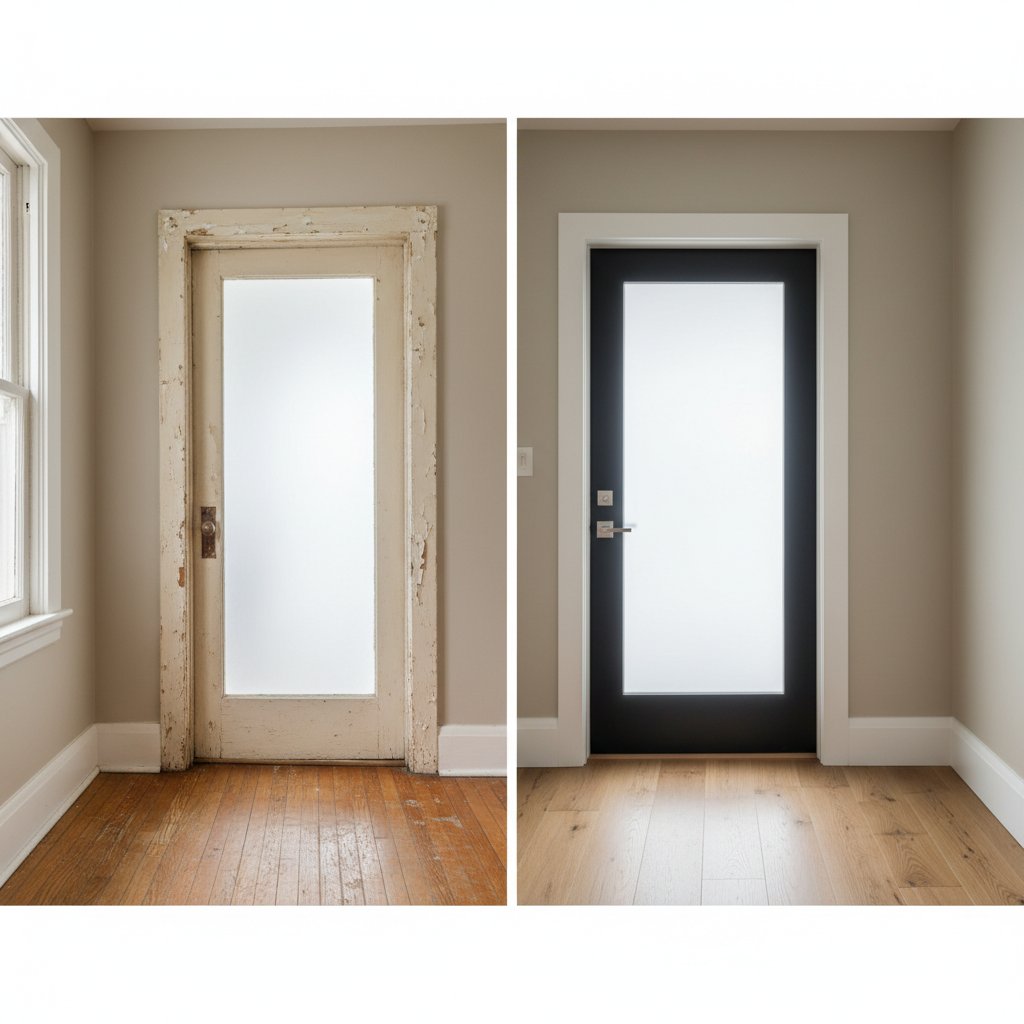
Interior door installation has quietly evolved over the past few years, and 2024 brings some genuinely useful changes to the table. If you're planning to upgrade those squeaky bedroom doors or finally replace that bathroom door that never quite closes right, here's what actually matters now.
1. Pre-hung Doors Have Become the Default (And For Good Reason)
Gone are the days when only pros could justify pre-hung units. These days, about 70% of residential interior door installations use pre-hung systems because they've gotten significantly better and more affordable. You're looking at roughly $150-$400 per door installed versus $80-$250 for slab-only options, but the time savings are massive.
The real game-changer? Modern pre-hung frames come with adjustable jambs that compensate for walls that aren't perfectly plumb. If your house was built before 1990, this feature alone will save you hours of shimming and swearing. The installation time has dropped from 3-4 hours per door to about 90 minutes, even for someone with moderate DIY skills.
2. Hidden Hinges Are Finally Mainstream
European-style concealed hinges used to be a cabinet-only affair. Now they're showing up on interior doors everywhere, and they're not just for looks. These hinges adjust in three dimensions, which means you can fine-tune alignment weeks or months after installation when your house settles.
The catch? They require precise routing into both the door and frame, so unless you have a router jig, you'll want to buy doors with these already installed. Expect to pay an extra $40-60 per door, but the clean aesthetic and easy adjustability make it worthwhile. Plus, no more paint chipping around visible hinge barrels.
3. Soft-Close Mechanisms Are Worth the Hype
Soft-close technology migrated from kitchen cabinets to interior doors around 2022, but 2024 pricing has made it actually sensible. For about $25-35 per door, you can add hydraulic dampers that prevent slamming. If you've got kids, pets, or just aggressive door-closers in your household, this upgrade pays for itself in reduced noise and wear.
Installation is straightforward—most systems attach to existing hinges without modification. The dampers last 50,000-100,000 cycles according to manufacturer specs, which translates to roughly 10-15 years of normal use. The only downside? Once you have them, regular doors feel barbaric.
4. Soundproofing Actually Works Now (Without Solid Core)
Solid core doors used to be your only option for noise reduction, but they're heavy (around 80 pounds) and expensive ($200-500 each). New composite core designs with acoustic dampening layers achieve about 80% of the sound blocking at half the weight and two-thirds the cost.
Look for doors with an STC (Sound Transmission Class) rating of 30 or higher. Standard hollow core doors rate around 20-22, while these new composite options hit 28-32. The difference is noticeable—you'll actually block conversation-level noise between rooms. Pair them with proper weatherstripping, and you've got a home office door that actually works.
5. Smart Strike Plates Have Replaced Traditional Hardware
The humble strike plate got an upgrade. New designs use spring-loaded mechanisms that pull doors tight against weatherstripping when they close, eliminating that annoying gap that lets light and sound through. They cost about the same as traditional strikes ($8-15), but the fit is dramatically better.
These work especially well with modern lever handles, which have largely replaced doorknobs for interior doors. The ADA-compliant lever trend that started in commercial buildings has finally hit residential hard, and honestly, it's just easier to operate a lever when your hands are full. Installation is identical to traditional hardware—same holes, same tools.
6. Frameless Installation Methods Are Gaining Traction
Frameless or "direct-to-stud" mounting systems eliminate the traditional jamb entirely, mounting the door hardware directly to wall studs with specially designed brackets. This approach works particularly well in modern homes with drywall returns instead of traditional trim.
The aesthetic is clean and contemporary, but here's the real benefit: installation time drops to about 45 minutes per door, and you eliminate the most finicky part of traditional installation—getting the jamb perfectly square and plumb. These systems run $180-300 per door including hardware, sitting right in the middle of the price range. They're not for everyone, especially if you've got traditional architecture, but in the right setting they're brilliant.
The interior door world isn't exactly known for rapid innovation, but these changes represent genuine improvements in how doors function and how much hassle they require to install. Whether you're doing it yourself or hiring out, understanding what's current means you'll end up with doors that work better and last longer. And really, that's all any of us want from something we touch twenty times a day.