Why most Установка межкомнатных дверей projects fail (and how yours won't)
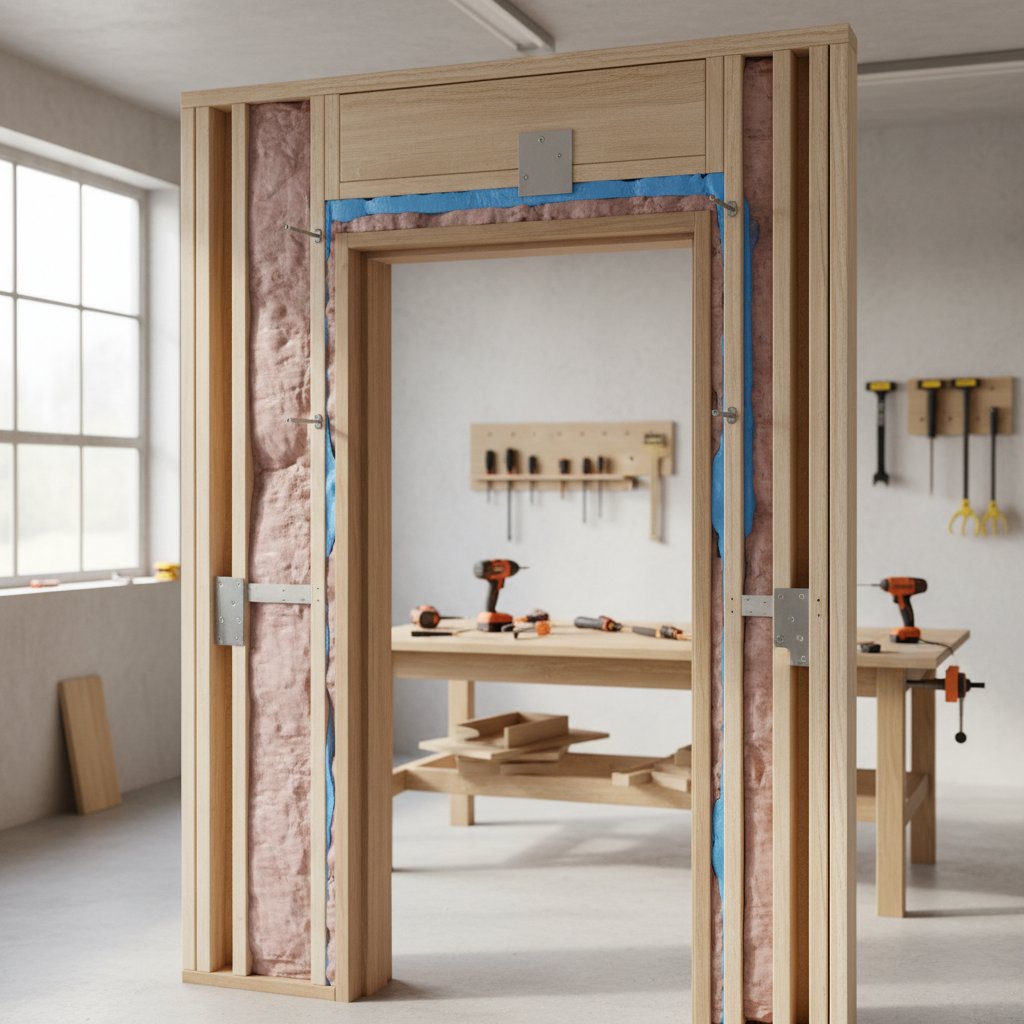
Your Beautiful New Door Is Crooked, Won't Close, and Cost Twice the Estimate
You finally pulled the trigger on replacing those dated hollow-core doors. Three weeks later, you're staring at gaps wide enough to let your neighbor's conversation drift through, a latch that refuses to catch, and a contractor who stopped returning calls. Sound familiar?
Interior door installation seems deceptively simple. It's just a rectangle in a rectangle, right? Yet roughly 40% of DIY door projects get abandoned halfway through, and even professional installations go sideways more often than you'd think. I've seen $800 solid wood doors ruined by $50 mistakes.
The Hidden Culprits Behind Door Installation Disasters
Most failures stem from three fundamental miscalculations that happen before anyone picks up a saw.
The Measurement Myth
Here's what typically happens: someone measures the old door, orders a replacement, and discovers on installation day that the frame is actually 2 inches shorter on one side. Floors settle. Houses shift. That 80-year-old frame isn't perfectly square anymore.
I watched a contractor friend lose an entire afternoon because he trusted the "standard 32-inch door" assumption. The rough opening measured 31.5 inches at the top and 32.75 inches at the bottom. His pre-hung unit didn't stand a chance.
The Hardware Timing Trap
Most people order the door and figure they'll "grab hardware later." Then installation day arrives, and they're making three trips to the hardware store because the strike plate doesn't match the latch thickness, or the hinges are too short for the door weight.
Each trip adds 45 minutes minimum. Multiply that by three, and you've just turned a 4-hour job into an all-day affair. Your hanging door sits propped against the wall while your hallway looks like a construction zone.
The Skill-Versus-Ambition Gap
YouTube makes everything look manageable in 12 minutes. Reality check: that video skipped the part where they spent 20 minutes shimming the frame to get it plumb, or the three attempts to mortise the hinges correctly.
Hanging a door requires simultaneous attention to vertical plumb, horizontal level, consistent reveal gaps, and proper clearances. Miss one element, and you get a door that binds in summer humidity or won't latch in winter.
Warning Signs Your Project Is Heading South
Catch these red flags early, and you can course-correct:
- Day-of surprises: If you're discovering frame damage or non-standard dimensions during installation, you skipped the inspection phase
- Force required: Doors shouldn't need shoulder-checking to close. If you're applying pressure, something isn't aligned
- Gaps exceeding 3/16 inch: Visible light streaming around the frame means either the door is wrong-sized or poorly hung
- Hardware installed before testing: Lock and latch holes should be the last step, not the first
The Seven-Step System That Actually Works
1. Measure Three Times, Three Ways
Measure width at top, middle, and bottom of the rough opening. Measure height on both sides. Record the smallest dimensions—that's your working size. Add photos with a level visible in frame to document any out-of-square conditions.
2. Order Everything Before Starting
Door, hinges, strike plates, shims, casing trim, paint or stain, and all fasteners. Have it sitting in your space 48 hours before installation. Check that hinge screws are actually long enough (2.5 inches minimum for solid-core doors).
3. Prep the Opening First
Remove old door and casing completely. Check the frame for rot, especially at the bottom corners where water damage hides. Repair or sister any damaged framing now, not after the new door arrives.
4. Dry-Fit Everything
Set the door in place without fastening anything. Check all four sides with a 4-foot level. Mark where shims need to go. This 15-minute step prevents 90% of installation problems.
5. Shim in Six Places Minimum
Behind each hinge location and at the top and bottom of the strike side. Shims should be snug but not compressing. Over-shimming bows the frame and creates binding issues.
6. Test Before Trimming
Open and close the door 20 times before you install casing trim. Check operation in various positions—fully open, 45 degrees, nearly closed. The latch should engage smoothly without lifting the handle.
7. Finish in Stages
Install and adjust hardware first. Live with it for 24 hours. Then add casing trim. This gives wood time to acclimate and reveals any settling issues before you make cuts permanent.
Prevention Beats Problem-Solving
Set aside 6-8 hours for a single door installation, not the 3-4 that online guides suggest. That buffer time removes the pressure that causes rushed mistakes.
Buy one extra hinge and strike plate beyond what you need. An $8 insurance policy beats a project-stopping trip to the store when you strip threads or drill in the wrong spot.
Most importantly: don't start on Friday afternoon. Door projects have a way of revealing complications right when stores are closing for the weekend. Tuesday morning gives you margin for error.
Your doors will outlast your phone, your car, and probably your current hairstyle. Treating installation as a precision operation rather than a quick swap makes the difference between doors you forget about and doors you curse daily.